The future of health and biohacking doesn’t lie in more complexity — but in intentional simplicity.
Growing up we didn’t call it “biohacking.” We just called it life.
Now, as a founder building Ourkraut, and stepping into the polished, premium world of CPG — where labels scream B Corp, USDA Organic, and “all natural” — I’ve found myself circling back to a quieter truth:
I’ve already experienced better food, supplements and health hacks than anything money can buy today.
And it came from a place with almost none of it.
Press enter or click to view image in full size
Food Lessons from Communist Poland
Throughout my early childhood, food wasn’t a lifestyle — it was logistics.
There were state-issued vouchers. Rations. Empty shelves. Long lines.
If you wanted something, you didn’t order it — you figured it out.
You grew it. You traded for it. You preserved it. You made it from scratch.
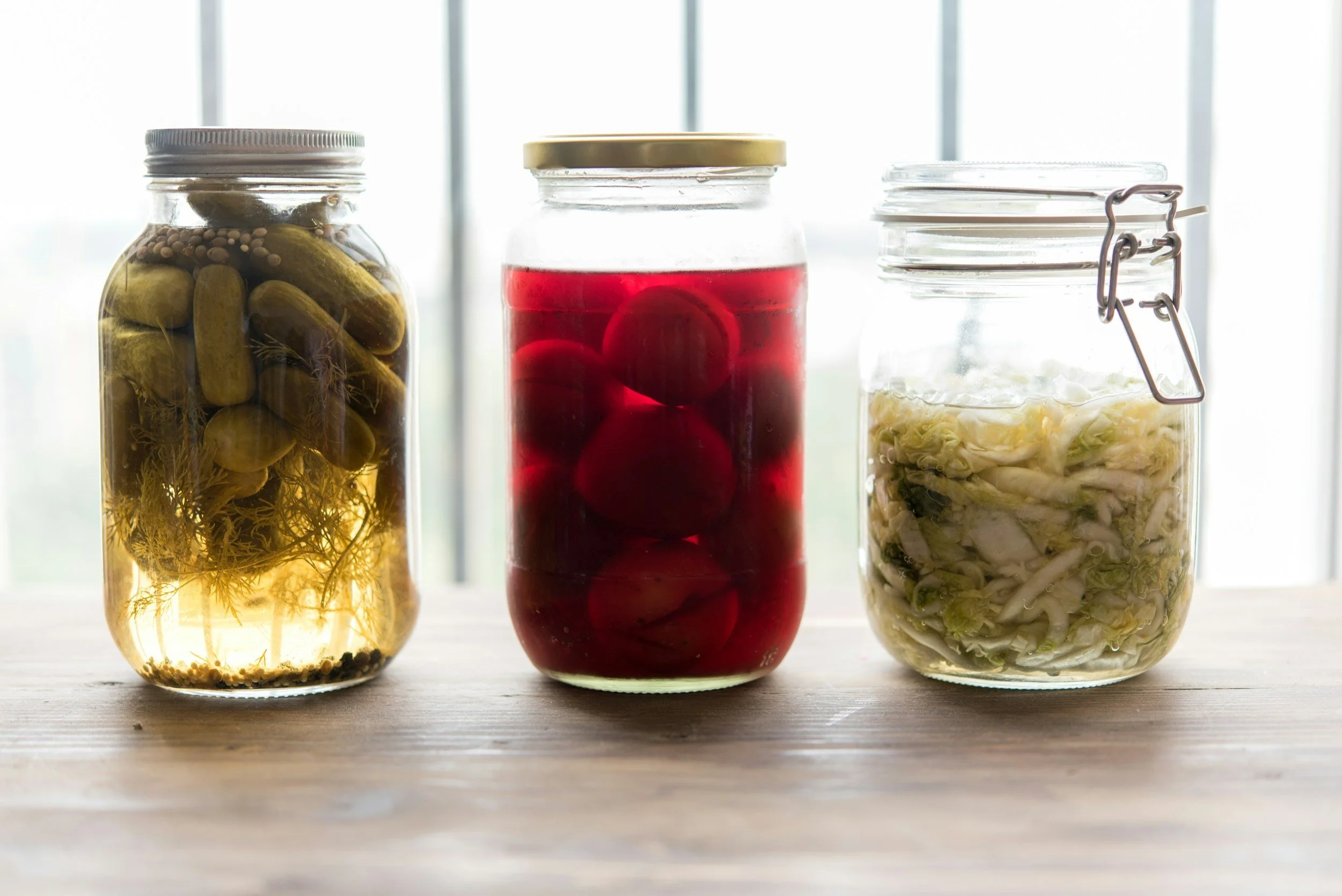
Fermentation wasn’t a trend — it was survival. A way to stretch seasons, hedge against uncertainty, and ensure your family didn’t go hungry in winter.
Press enter or click to view image in full size
Yes, sauerkraut is often claimed by Germany and Poland — but its roots trace back to ancient China. Still, Central and Eastern Europe perfected it under pressure. Long winters, limited resources, and Soviet-era constraints turned fermentation into both art and necessity.
So we fermented and pickled everything.
Not because it was good for our gut microbiome, but because it was the difference between having food and not having food.
Press enter or click to view image in full size
Press enter or click to view image in full size
The Food That Built Me
Only now, years later, walking the aisles of Whole Foods and Erewhon, do I fully grasp what my parents and grandparents pulled off.
Because despite the scarcity, we ate extraordinarily well. Not in abundance, but in integrity.
Here are examples of the food that built me, or how we accidentally outperformed modern wellness without trying:
1. Pickles — The Real Kind
Not the sugar-loaded, vinegar-punched imposters lining shelves today. These were true brined ferments — alive, cloudy, slightly funky, deeply complex. Yes, vinegar existed, but it was used like seasoning, not a shortcut. Every jar (or barrel) carried time, patience, and bacteria doing exactly what they were meant to do.
Press enter or click to view image in full size
2. Sauerkraut — Not Jarred, But Alive
Forget sealed plastic tubs. Our sauerkraut lived in massive clay barrels at corner shops, sold by the kilo, still fermenting as you scooped it. Sharp, effervescent, unapologetically sour — this wasn’t a condiment, it was a staple. A daily probiotic before probiotics had branding.
3. Kefir, Yogurt, Sour Milk, Butter — All Homemade
Our fridge was a living ecosystem. Fermented dairy in every form, each batch slightly different, each spoonful loaded with bacteria modern science is still trying to catalog. No labels, no strains listed — just instinct, tradition, and gut health that didn’t need explaining.
Press enter or click to view image in full size
4. Bone Broth — The Weekly Ritual
Sunday meant one thing: a pot simmering for hours. Bones, joints, scraps — nothing wasted. By evening, the house smelled like nourishment itself. Served with egg noodles, then jarred and rationed through the week. Collagen before it was collagen.
5. Organ Meats — The Original Superfoods
Kidneys, liver, hearts, tripe. Things many people today wouldn’t touch were centerpieces of our diet. Nutrient density wasn’t a buzzword — it was common sense. And yes, tripe is a delicacy. You just weren’t raised right if you think otherwise.
Press enter or click to view image in full size
6. Eggs from Actual Happy Chickens
Our scrambled eggs were almost neon orange — so vibrant it looked unnatural by today’s standards. But that was the standard. Chickens roamed, ate real food, lived real lives. You could taste it instantly.
7. Sourdough Bread — Borderline Sacred
Bread wasn’t just food — it was identity. Starters passed down through generations, loaves baked with reverence. Crusty, tangy, alive. If Poland has a religion, sourdough is part of it.
8. Rye Bread & Seeded Dark Loaves
Dense, earthy, packed with seeds and grains. Bread that actually filled you up, stabilized your energy, and tasted like something grown from the ground — not engineered in a lab.
Press enter or click to view image in full size
9. Animal Fats — No Fear, No Apologies
Tallow, duck fat, goose fat, lard. Used for frying, roasting, even spread on bread. No seed oils. No moral panic. Just real fats that fueled real bodies.
10. Homemade Cheese, Sausages & Cold Cuts
If we ate it, someone we knew made it. Or we did. No ingredient lists, no preservatives — just skill, time, and respect for the craft. Food wasn’t outsourced; it was owned.
11. Beef Tartare — A Weekly Tradition
Every Friday night with my dad: raw, grass-fed beef, hand-cut, dressed with condiments, eaten with crusty bread. Not a delicacy reserved for restaurants — a ritual of trust in your food source.
Press enter or click to view image in full size
Press enter or click to view image in full size
12. Freshly Pressed Juices — Before It Was a Trend
Beet, carrot, celery, apple — pressed at home. My mom was making cold-pressed juice while pregnant with me, long before it was sold in $14 glass bottles. Functional nutrition, instinctively done.
13. Garden-Grown Produce — The Real Luxury
Vegetables from the soil we touched. Fruit from our own trees — cherries, plums, pears, apples, raspberries, gooseberries. You didn’t snack mindlessly; you picked, washed, and appreciated.
14. Fresh Nuts & Seeds — Seasonal and Alive
Walnuts straight from our tree, still soft, almost milky, their bitter skins peeling away easily. If you’ve only had packaged nuts, you’ve missed the point almost entirely.
Press enter or click to view image in full size
15. Wild Herbs & Spices — Foraged and Preserved
Summer meant gathering. Herbs picked from forests and fields, dried carefully, stored for winter. Flavor wasn’t bought — it was collected.
16. Foraged Mushrooms — A National Obsession
Poles don’t casually pick mushrooms — we study them, track them, protect our spots. Entire days spent in the forest, returning with baskets. Then cooking, drying, pickling. A ritual, not a hobby.
17. Wild Berries — Straight from the Woods
Blueberries, cranberries, and more, gathered by hand. No pesticides, no packaging. Just your fingers, stained purple, and the understanding that food doesn’t come from shelves.
Press enter or click to view image in full size
18. Small Local Fish — The Omega Powerhouses
Sardines, herring, mackerel, trout. Smoked fresh, pickled, or simply grilled. Rich in omega-3s, low in contaminants, and deeply flavorful. Smoked fish in Europe is everyday food — America barely knows what it’s missing.
19. Cold-Pressed Oils — Pressed As You Wait
Hemp, rapeseed, flaxseed, olive — often pressed locally, sometimes from what looked like medieval machinery. Oils weren’t shelf-stable commodities; they were perishable, alive, and respected.
20. Aspic — Collagen in Its Purest Form
Meat jelly. Yes, it sounds strange. Yes, I loved it as a kid. Rich, savory, packed with collagen, typically reserved for holidays — but for me, better than candy.
Press enter or click to view image in full size
21. Cottage Cheese — Nothing Like You Know
Forget rubbery curds. This was silky, creamy, almost like tiny pieces of burrata. Fresh, delicate, and completely unrecognizable compared to industrial versions.
22. Homemade Desserts — No Exceptions
Want something sweet? You bake it. Cheesecakes, fruit pies, crumbles, nut loaves, tiramisu — all from scratch, enjoyed fresh. I didn’t try an Oreo until a few years ago in my 30s. And honestly? I wasn’t missing out.
23. Real Drinks — No Soda Culture
Tea, mineral water, or water with homemade cordial syrups — elderflower, blackcurrant, seasonal fruits. We even made our own soda water. Sugar wasn’t banned — it just wasn’t normalized.
Press enter or click to view image in full size
24. Kvass — The Original Functional Beverage
A fermented drink made from bread, slightly tangy, lightly effervescent. Think kombucha, but older, less sweet, and arguably even more rooted in tradition. Gut health without the branding.
25. Strictly Seasonal Eating
No imported mangos or avocados. No out-of-season anything. Seasonality wasn’t a philosophy — it was the only available reality. But strawberries and cream in June? Unmatched. Take that, Wimbledon.
26. Honey — Local or Nothing
Honey came from beekeepers we knew. From specific plants, specific regions. My mom still refuses to buy mass-produced honey. Buckwheat, lavender, local wildflowers. Once you’ve had the real thing, there’s no going back.
Press enter or click to view image in full size
The Practices No One Called “Wellness”
What’s wild is that beyond the food, the lifestyle itself reads like a modern wellness protocol:
Intermittent fasting – fewer meals, more cherished
Foraging, gardening, getting your hands in the soil on the daily
Grounding (walking barefoot) long before it got a documentary
Eating seasonally, because you literally had no other option
Using the whole animal, because waste wasn’t an option either
Natural remedies — garlic, ginger, turmeric — before pharmaceuticals
Cold exposure via long winters and zero complaints
No air conditioning in summer — your body adapted or dealt with it
Forest bathing before it had a fancy Japanese name
Multi-generational living — constant access to wisdom, perspective, and care
Learning to cook as a child — because survival demanded competence
Watering plants and produce with used coffee grounds
And maybe most importantly: a deep, unspoken respect for food.
Nothing was mindless. Nothing was wasted. Nothing was taken for granted.
Press enter or click to view image in full size
My Grandma, The OG Medicine Woman
My grandma didn’t have a podcast. She didn’t optimize her morning routine or track her glucose.
But she understood something fundamental that we’re only now trying to reclaim: Health isn’t something you chase — it’s something you build, daily, through ritual.
Through what you eat. How you prepare it. Where it comes from. Who you share it with.
She was a biohacker without the ego. A medicine woman without the brand.
Press enter or click to view image in full size
Press enter or click to view image in full size
The Irony of Modern Abundance
Today, I can walk into Erewhon and spend $300 on groceries in under 15 minutes.
And yet, I can’t buy:
Bread that tastes like my grandmother’s sourdough
Butter with that same richness
Cottage cheese that feels like silk instead of processed curds
Sauerkraut that hasn’t been pasteurized into irrelevance (hence Ourkraut — stay tuned).
No certification can replicate care. No supply chain can manufacture lineage.
We’ve optimized for scale, and lost something essential in the process.
Press enter or click to view image in full size
Back to the Future
Building Ourkraut isn’t just about fermented foods.
It’s about reconnecting with a philosophy that the future of health doesn’t lie in more complexity — but in intentional simplicity.
We don’t need more trends. We need to remember what already worked. And maybe layer it — carefully — with modern tools, data, and technology.
Because the real frontier isn’t ancient vs. modern. It’s the integration of both.
Press enter or click to view image in full size
Closing Thought
Somewhere between communist Poland and luxury grocery stores in California, we lost the plot. But we can find it again.
In a jar of real sauerkraut. In a pot of slow-simmered bone broth. In feeling the earth beneath our feet.
In the quiet, radical act of caring about what we eat. And in remembering that long before biohacking became an industry — it was just called being alive.
We had less, but we ate better. Not because we were privileged. Because we were connected. To land. To process. To patience. To each other.
And now, building Ourkraut, I’m not trying to reinvent anything. I’m just trying to remember — and bring a little of that world back into this one.